
Thermochromic Pigment Innovations in 2025
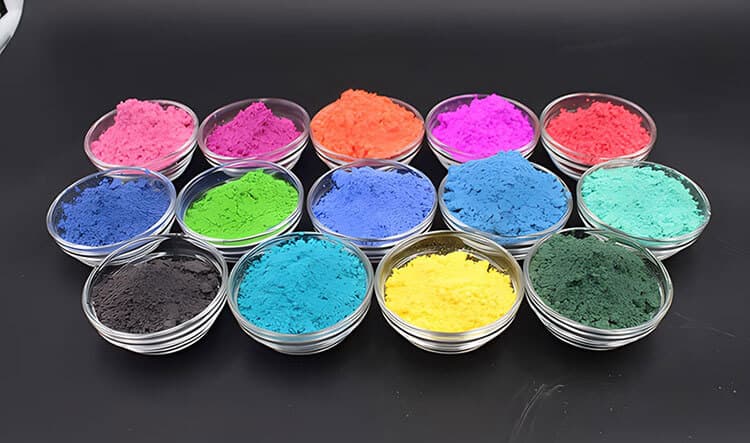
Thermochromic pigments are moving into a new phase of performance. In 2025, several breakthroughs—ranging from NIR-activated systems to high-temperature-stable microcapsules and waterborne/BPA‑free lines—are making real-world deployments easier, safer, and more durable.
Why this matters
- Wider temperature windows and faster response unlock new interactive products
- Stronger UV/light resistance extends outdoor and textile applications
- Waterborne and BPA‑free systems align with global sustainability standards
- High-temperature stability enables engineering plastics and multi-step molding
1) NIR-activated and hybrid triggering systems
Beyond classic "warm-to-clear" changes, next-gen formulas support near-infrared (NIR) triggering and hybrid responses (temperature + light). This enables:
- Hidden graphics revealed under NIR lamps or IR LEDs
- Multi-factor security labels combining photochromic and thermochromic effects
- Localized heating patterns for precise on-demand visualization
2) High-temperature stable microcapsules for engineering plastics
Microcapsule shells and core systems have been redesigned to withstand higher thermal loads and shear stress in processes such as injection molding and extrusion. Practical guidance:
- Target processing temperature: keep below 200–210 °C when possible; minimize residence time at peak temperature
- Recommended loading: 0.5–1.5% for transparent/white substrates; up to 2% for deep shades
- Use masterbatch for easier dispersion and repeatability in mass production
3) Better lightfastness and weatherability (HALS + UV absorber synergy)
Weatherable packages combining HALS (hindered amine light stabilizers) and UV absorbers reduce fading risk in outdoor exposure. Typical tips:
- Prefer light backgrounds to maximize contrast
- Add UV-protective topcoats or laminates where feasible
- Validate weatherlife via accelerated aging (e.g., Xenon arc)
4) Waterborne compatibility and BPA‑free systems
Eco-friendlier binders, surfactants, and capsule chemistry improve stability in waterborne inks/paints and eliminate BPA. This supports:
- Children's products, food-contact packaging (verify regional compliance item by item)
- Low-VOC coatings and aqueous flexo/gravure/screen printing inks
- Easier cleanup, safer plant operations
5) Wider and multi-step temperature windows
New regulators enable broad transitions (e.g., −10 °C → 70 °C family) and multi-step color plays (colored → colorless → different color). Use cases:
- Smart mugs and baby spoons with tiered temperature indicators
- Safety signage revealing warnings at threshold temperatures
- Apparel that stages color shifts for dynamic designs
6) Faster response and higher cycling durability
Optimized capsule size distributions and core compositions reduce thermal lag and enhance cycling endurance:
- Quicker, crisper color transitions with cleaner boundaries
- Improved retention after thousands of heat/cool cycles
- Better performance in thin films and screen-printed layers
7) Production-ready masterbatches and dispersions
Factory-made plastic masterbatches and ink pre-dispersed pastes simplify scale-up:
- Consistent dispersion, less dusting, fewer rejects
- Easier color matching alongside conventional pigments
- Shorter lead times from prototype to mass production
Quick application notes
- Inks/Coatings (screen recommended 150–200 mesh): add 10–20% pigment paste; dry below 60 °C to protect thermochromic response
- Plastics: 0.5–2% loading; keep below ~200 °C and minimize high-temperature dwell; use light/transparent bases for best contrast
- Textiles: Prioritize compatible binders and soft-hand clear transparent bases; add UV-stable overprint where possible
Always run compatibility and accelerated durability tests for your exact substrate, process, and region-specific compliance requirements.
Case snapshot: Interactive packaging
A beverage brand adopted a waterborne, BPA‑free thermochromic ink that turns clear above 12 °C, revealing a chilled icon when product drops below that temperature. Using UV-stable overprint varnish extended shelf visibility during logistics and minimized fading risk.
📞 Contact Us
- Company: Aolong Chemical Co., Ltd.
- Email: sales@aolongchemical.com
- Phone: +86 571 86690377
- Website: https://www.aolongchemical.com
- Address: No. 1788 Jinggang Road, Shushan District, Hefei, Anhui Province, China
Aolong Chemical — Advancing thermochromic technology to color the future of functional materials.